
Published · Updated
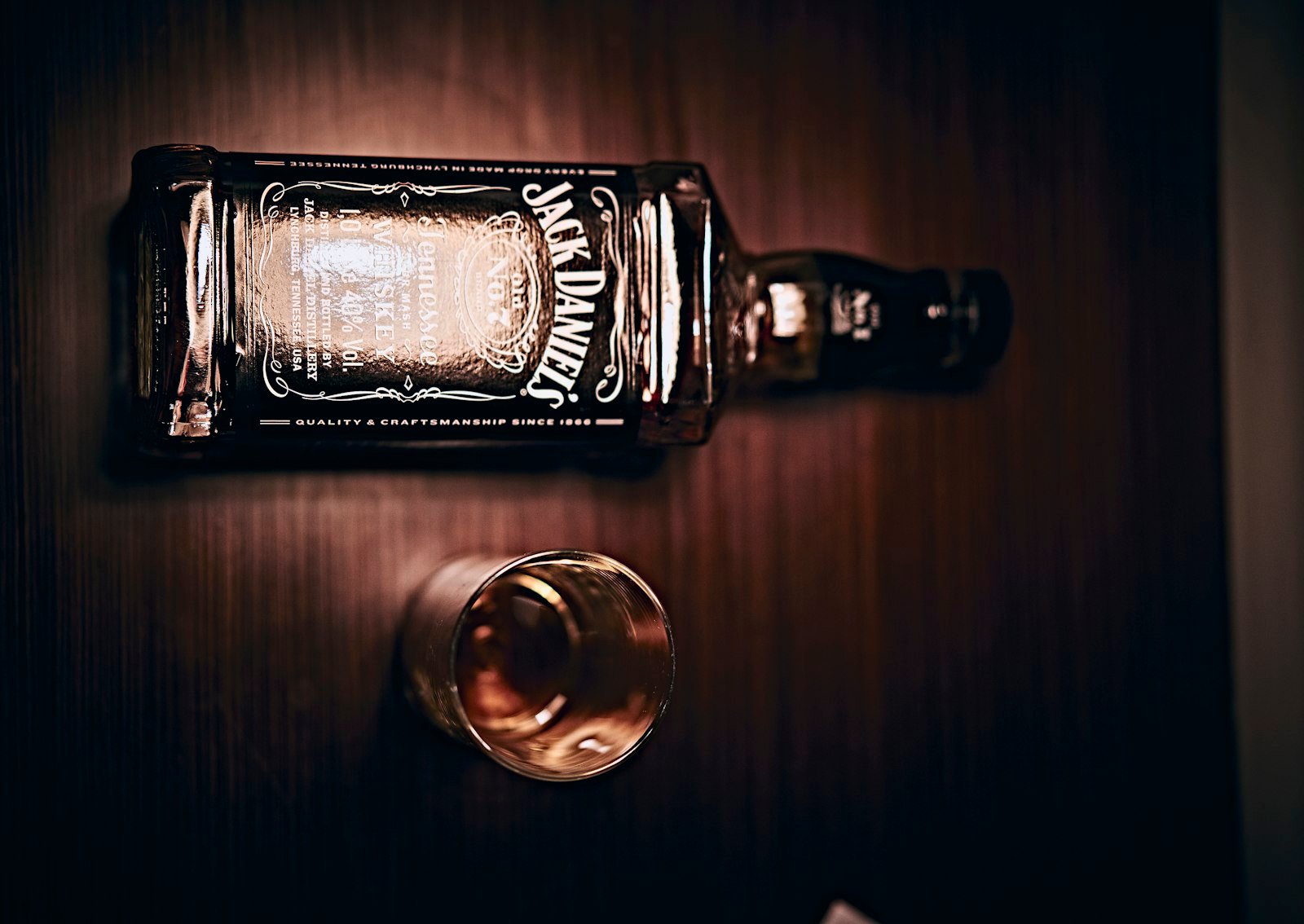
Jack Daniel’s is one of the world’s best-selling American whiskeys, yet the distillery in Lynchburg, Tennessee doesn’t call it bourbon. That comes down to one production step, a Tennessee law and a long-standing choice by the distillery, and once you understand it, you’ll never look at an American whisky shelf the same way. So, is Jack Daniel’s bourbon? It isn’t sold as one, but the full story is more interesting than a simple yes or no.
This post is for anyone who has picked up a bottle of Old No. 7 and wondered what, exactly, they’re drinking. Tennessee whiskey is sold as its own category, defined by Tennessee state law and set apart by one extra production step. Getting familiar with that difference also opens the door to a much wider world of American whiskey styles worth knowing.
Is Jack Daniel’s a Bourbon? One Sentence Says It All
Tennessee whiskey is an American whiskey style that meets the same basic rules as bourbon and, under Tennessee law, also goes through the Lincoln County Process, which filters the new spirit through maple charcoal before it enters the barrel.
How Tennessee Whiskey Carved Out Its Own Category
American whiskey has been made in Tennessee since at least the early 1800s. The practice of filtering new spirit through sugar maple charcoal is called the Lincoln County Process, after the county the Jack Daniel’s distillery sat in until 1871, when boundary changes put Lynchburg in the new Moore County. Jack Daniel’s, founded in Lynchburg, became the most famous example of the style, and George Dickel, near Tullahoma, is the other big Tennessee name that uses charcoal mellowing.
Under US trade agreements, starting with NAFTA, Tennessee whiskey is still defined as a straight bourbon whiskey made in Tennessee, and Jack Daniel’s is generally agreed to meet the federal requirements for bourbon; it simply chooses not to use the word. In 2013, Tennessee passed a law setting out what can be labelled Tennessee whiskey: it must be made and aged in the state from a mash of at least 51 percent corn, filtered through maple charcoal before ageing, and aged in new charred oak barrels, with limits on strength at distilling, barrelling and bottling. Benjamin Prichard’s, which doesn’t use the charcoal step, was given an exemption. Jack Daniel’s, which backed the law, had long insisted on the distinction anyway.
From Grain to Glass: How Tennessee Whiskey Is Made
The process starts in a way that looks almost identical to bourbon. The grain bill, which is the mix of grains used in the mash, must be at least 51 percent corn. Jack Daniel’s uses a higher corn content than that, plus rye and malted barley. The mixture is fermented, distilled, and brought down to a specific alcohol strength before anything unusual happens.
Then comes the Lincoln County Process. The new-make spirit, which is the raw, unaged whiskey straight off the still, is dripped slowly through ten feet of tightly packed charcoal made from burned sugar maple wood. This isn’t a quick filter. The distillery says it takes three to five days. The distillery says the charcoal takes out harsher flavours and smooths the spirit before a single drop touches a barrel.
After that, the whiskey goes into new, charred oak barrels, exactly as bourbon rules require. It ages in those barrels until the distiller is satisfied, then it’s proofed down with water and bottled. Many drinkers find the result softer and slightly sweeter than a lot of bourbons, with less of the sharp grain bite you sometimes get from an unfiltered new-make spirit.
American Whiskey Styles Worth Getting to Know
Tennessee Whiskey
Made in Tennessee, using a corn-dominant mash, and filtered through maple charcoal before barrel aging. Jack Daniel’s Old No. 7 is the reference point. For something sweeter in the same family, Jack Daniel’s Apple blends Jack Daniel’s with apple liqueur, so it’s a flavoured whiskey drink rather than a straight Tennessee whiskey.
Bourbon
Bourbon can be made anywhere in the United States, though Kentucky makes most of it. US federal rules require a mash of at least 51 percent corn, new charred oak containers and limits on strength at each stage, with nothing added except water. Most bourbon skips the pre-ageing charcoal step, though many are filtered before bottling. Old Forester, made in Louisville by Brown-Forman, the company that also owns Jack Daniel’s, is a solid Kentucky bourbon worth trying if you want to compare directly with Tennessee whiskey. The difference in texture is real and noticeable side by side.
Blended American Whiskey
Under US rules, blended whiskey must contain at least 20 percent straight whiskey, with the rest made up of other whiskey or neutral spirits. It tends to be lighter and more approachable. Don’t confuse it with whiskey RTDs: Jack Daniel’s & Cola Zero Sugar, for example, is Tennessee whiskey and cola in a can, not a blended whiskey.
Rye Whiskey
Where bourbon leans on corn for sweetness, American rye whiskey must be made from at least 51 percent rye, which pushes the flavour toward spice, pepper, and dried fruit. It’s a bolder style and worth exploring once you’ve got your bearings with the softer American whiskeys.
Three Bottles to Start Your American Whiskey Journey
Start with something approachable. Jack Daniel’s Old No. 7 is the obvious foundation. It’s smooth, it’s consistent, and it’s the benchmark for Tennessee whiskey worldwide. From there, try Old Forester as a true Kentucky bourbon so you can taste what changes when the charcoal step is removed. If you want to branch out beyond American whiskey entirely, Teeling Small Batch Irish Whiskey is a gentle next step, using a triple-distilled style that’s soft, approachable, and a genuinely different expression of what whiskey can be. And if you’re curious about Scotch, LiquorMe stocks options across the full whisky range, from American to island and highland Scottish styles.
Frequently Asked Questions
So is Jack Daniel’s a bourbon or not?
Not by name. Jack Daniel’s is generally agreed to meet the US federal requirements for bourbon, and trade agreements such as NAFTA even define Tennessee whiskey as a straight bourbon made in Tennessee. But it goes through the Lincoln County Process, Tennessee law defines it as Tennessee whiskey, and the distillery has always chosen that label.
Does the charcoal filtration actually change the flavour?
The distillers say yes, and many tasters agree. The filtration is designed to soften the spirit before barrel ageing even begins, which is a big part of why Tennessee whiskey tends to taste smoother and slightly sweeter than many bourbons made from a similar grain bill.
Can bourbon be made in Tennessee?
Yes. Bourbon can legally be made anywhere in the United States, including Tennessee. But if a Tennessee distillery chooses to call their product Tennessee whiskey rather than bourbon, the charcoal filtration step is required by state law, with Benjamin Prichard’s the one exemption.
What’s the best way to compare Tennessee whiskey and bourbon?
Pour both neat, at room temperature, and try them side by side. That removes the variables of ice, mixers, or cocktails and lets you focus purely on the base spirit. Old Forester alongside Jack Daniel’s Old No. 7 is one of the cleaner comparisons you can make at home.
LiquorMe stocks New Zealand’s finest wines, spirits, beers, and cocktail ingredients. Browse our full range and enjoy courier delivery across New Zealand, free in Auckland on orders over $200. Shop online at https://liquorme.co.nz or call +64 9 590 0020.