


Your cart is empty
You may check out all the available products and buy some in the shop
Return to shopLager is a crisp, clean beer made with bottom-fermenting yeast and cold conditioning, and it is the world's most popular beer style. Our range spans favourite Kiwi brews and imports from Japan, Europe, Mexico and Asia.
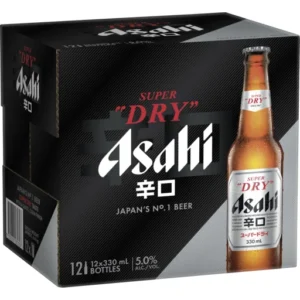
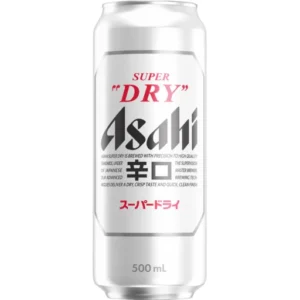

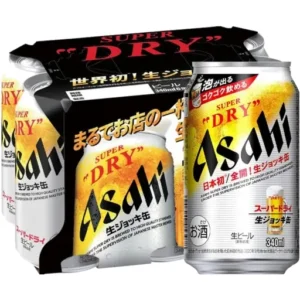

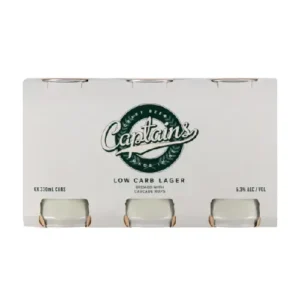

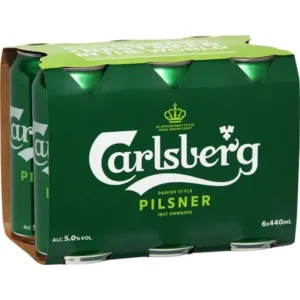

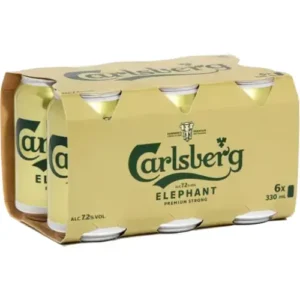

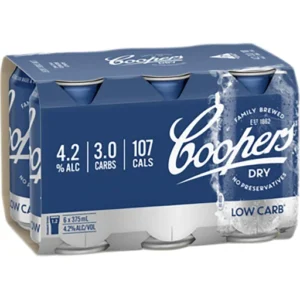
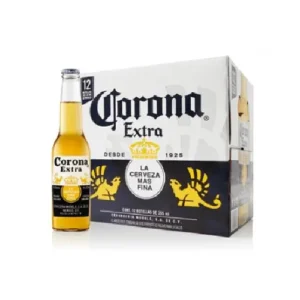
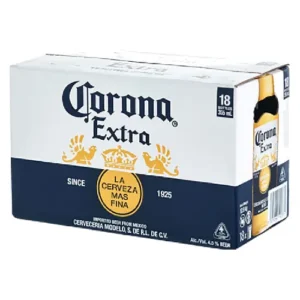
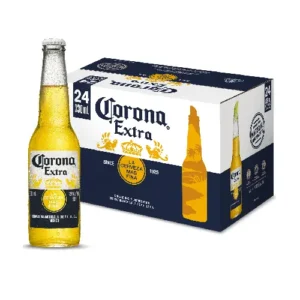

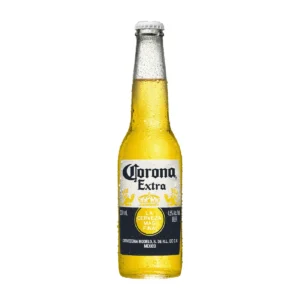


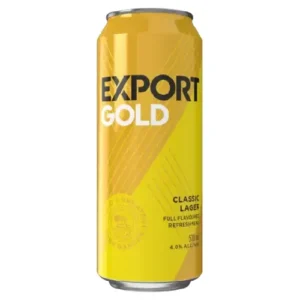


Local names include Steinlager, DB Export, Speight's and Lion Red, while imported labels bring Heineken from the Netherlands, Peroni from Italy, Asahi from Japan and Corona from Mexico.
For a crisp European style, Peroni Nastro Azzurro is light and lightly bitter. Asahi Super Dry is one of the driest, cleanest options, while Corona Extra suits warm days with a slice of lime. Browse all beers for other styles.
Lager is a beer brewed with bottom-fermenting yeast at cool temperatures, then conditioned cold for several weeks. This slow process gives a clean, crisp flavour with fewer fruity yeast notes than ale. The name comes from the German word lagern, meaning to store.
Pilsner is a type of lager. All pilsners are lagers, but pilsner is a specific pale style that originated in the Czech town of Plzen, with more noticeable hop bitterness and floral aroma than a standard pale lager.
Lager pairs well with lighter and spicy dishes, and it is one of the most food-friendly beers. Its crisp, clean finish refreshes the palate alongside fish and chips, pizza, barbecued sausages, salads, sushi and spicy Asian or Mexican food.
Lager is usually served well chilled, at 3 to 5 degrees Celsius. Very cold temperatures keep it crisp and refreshing, while serving slightly warmer lets more malt and hop flavour come through in premium and imported lagers.