


Your cart is empty
You may check out all the available products and buy some in the shop
Return to shopGin is a spirit flavoured mainly with juniper, supported by botanicals such as citrus peel, coriander and angelica. Our range covers classic London Dry, modern botanical gins, fruity flavoured bottles and a strong line-up of New Zealand craft gin.
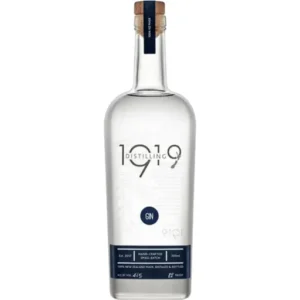

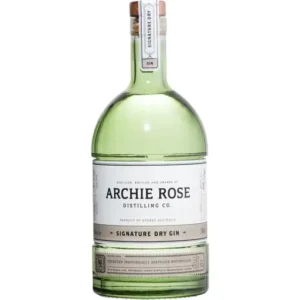


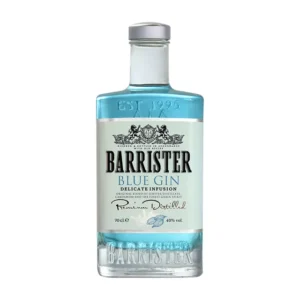
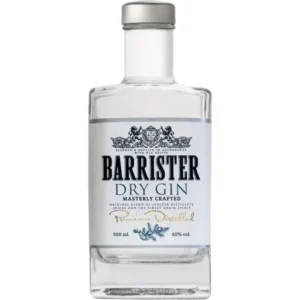
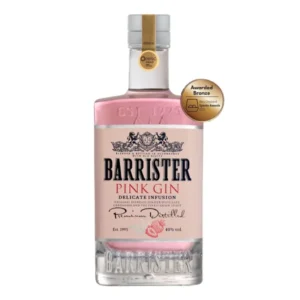

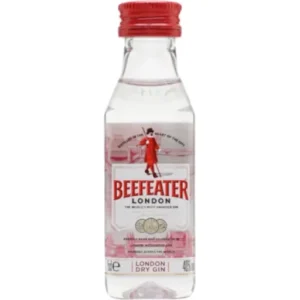

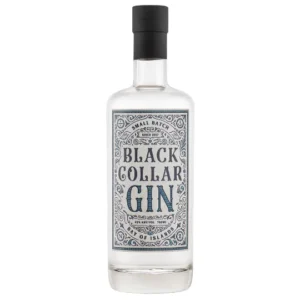
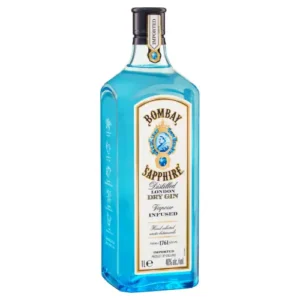


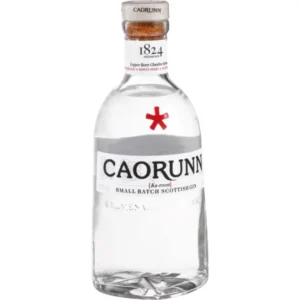


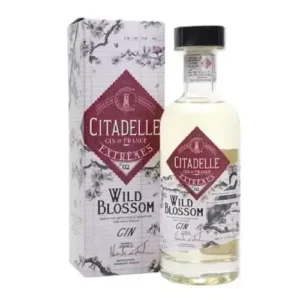
Classic London Dry names include Tanqueray, Gordon's and Hayman's, while Hendrick's comes from Scotland and Malfy from Italy. Local distillers such as Scapegrace sit alongside gins from Japan, Spain, France and Ireland.
Or browse by origin, such as Japanese Gin.
Think about your serve. A juniper-led gin like Tanqueray London Dry Gin keeps a G&T or Martini crisp, while Hendrick's Gin, with its cucumber and rose, suits a long tonic with a slice of cucumber. Citrus gins such as Malfy Gin Con Limone pair nicely with soda or a Mediterranean tonic.
Gin is a neutral spirit, usually made from grain, that is redistilled or infused with juniper berries and other botanicals. Juniper must be the main flavour. Common supporting botanicals include coriander seed, angelica root, orris root and citrus peel, with each brand adding its own signature mix.
London Dry describes how a gin is made, not where. All flavour must come from botanicals during distillation, and only water and a very small amount of sweetener may be added afterwards. The result is a dry, juniper-led gin that can be produced anywhere in the world.
A classic Indian tonic suits juniper-forward London Dry gin, while a lighter Mediterranean or elderflower tonic works with floral and citrus gins. Use plenty of ice and match the garnish to the gin's botanicals, such as lime, lemon, cucumber or a sprig of rosemary.
Gin does not spoil, because its high alcohol content keeps it stable. Once opened, the fresh botanical aromas can slowly fade over a year or two, so keep the cap tight and store the bottle upright away from heat and sunlight. Flavoured and sloe gins taste freshest when finished sooner.