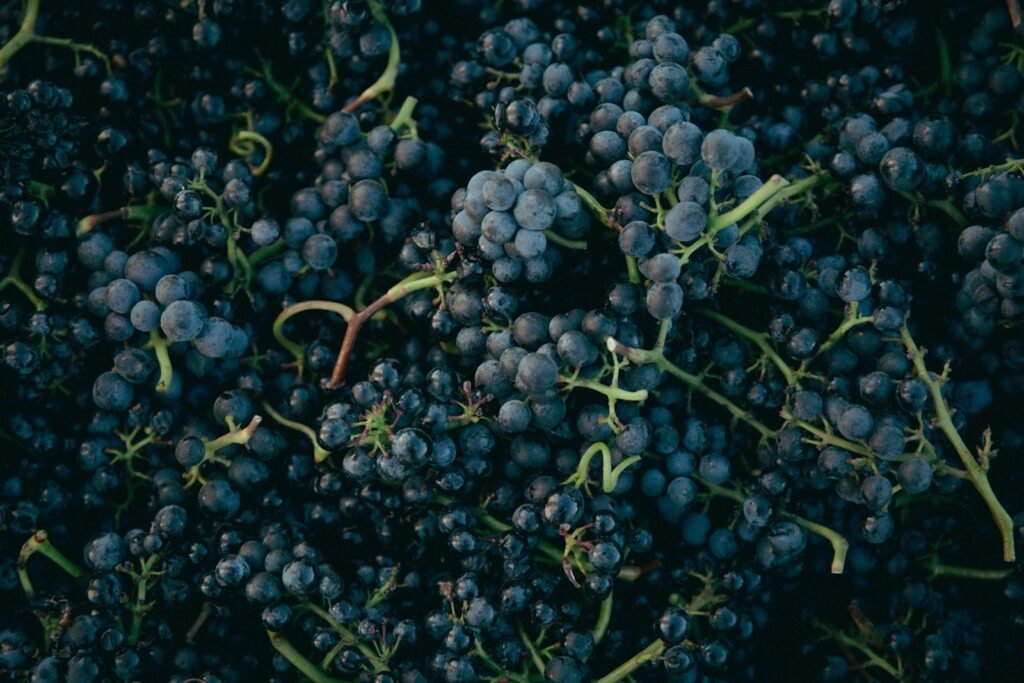
Marlborough produces roughly three quarters of all New Zealand wine, and the lion’s share of that is Sauvignon Blanc. That one fact tells you something important: this isn’t a regional curiosity that got lucky on the international stage. It’s a genuine phenomenon, rooted in geology, climate, and a winemaking philosophy that prioritises intensity over everything else. No other region in the world produces Sauvignon Blanc that tastes quite like this, and after forty-odd years of global competition, nothing has come close to unseating it.
But what actually makes Marlborough Sauvignon Blanc so distinctive? The easy answer is “the terroir,” which is technically correct and almost entirely unhelpful. The real answer involves a specific combination of factors that you’ll find nowhere else on earth, and once you understand them, you’ll never taste this wine the same way again.
The Wairau and Awatere: Two Valleys, Two Personalities
Marlborough isn’t one single place. The region splits into two main valleys, the Wairau and the Awatere, and they produce noticeably different wines. The Wairau Valley is where most of the famous labels are sourced: wider, warmer, and generous with fruit. Expect passionfruit, white peach, and that signature gooseberry snap. The soils are mostly free-draining river gravels over clay, which stresses the vines just enough to concentrate flavour without shutting down ripening.
The Awatere Valley, further south and considerably windier, produces leaner, more herbaceous wines. Think green capsicum, fresh-cut grass, and a saline edge that makes your mouth water. Neither style is better. They’re just different expressions of the same grape under slightly different conditions, and serious Sauvignon Blanc drinkers tend to have a strong opinion about which they prefer.
Some producers blend fruit from both valleys to achieve balance, pulling tropical richness from the Wairau and structural tension from the Awatere. It’s a smart approach, and it’s one reason so many Marlborough Sauvignon Blancs are more complex than they first appear.
What the Climate Is Actually Doing to the Grapes
Marlborough sits at roughly 41 degrees south latitude, which is cool by global wine standards. But it’s not just the temperature that matters. It’s the diurnal range, the gap between daytime and overnight temperatures, that does the real work. Warm days push sugar development and full flavour ripening. Cool nights slam the brakes on, preserving the natural acids and aromatic compounds that give Marlborough Sauvignon Blanc its electric, high-wire quality.
Those aromatic compounds are worth understanding. Sauvignon Blanc is rich in methoxypyrazines, which are responsible for the grassy and capsicum characters, and thiols, which produce the passionfruit and grapefruit lift. Marlborough’s conditions, together with how the fruit is harvested and handled, push both higher, particularly the thiols, which is why the wines smell so intensely fruity before you’ve even taken a sip. It’s not manipulation. It’s the grape doing what it does naturally, just more so.
The region also gets significant sunshine hours, which matters for even ripening. Long growing seasons mean the grapes develop complexity at their own pace rather than being rushed. The result is wines that are simultaneously ripe and refreshing, which is genuinely difficult to achieve and one of the reasons Marlborough keeps winning when the scores are tallied.
How Winemaking Choices Shape the Style
Technique matters here more than some producers like to admit. Marlborough Sauvignon Blanc is almost universally fermented and aged in stainless steel rather than oak, a deliberate choice that keeps the fruit expression clean and precise. Oak would soften those sharp aromatic edges and add weight, which is exactly what you don’t want when the whole point is brightness and cut.
Most examples are released young and drunk young. This is not a fault. It’s by design. The fruit-forward freshness that makes these wines so appealing at the table with grilled fish or soft cheeses is the same quality that fades with extended cellaring in most cases. That said, some producers are experimenting with extended lees contact and minimal intervention approaches, producing wines with more texture and a slightly longer potential arc. Interesting direction, though the classic style remains hard to beat for sheer drinkability alongside food pairings.
If you’re exploring the broader range of what New Zealand does with wine, Marlborough Sauvignon Blanc is the obvious starting point, but producers like Mt Difficulty, with its Central Otago Roaring Meg Chardonnay, show just how far the South Island’s winemaking ambition stretches beyond a single grape variety.
Key Takeaways
- Marlborough produces the majority of New Zealand’s wine, with Sauvignon Blanc as its dominant variety
- The Wairau Valley tends toward riper, tropical styles; the Awatere runs leaner and more herbaceous
- High diurnal temperature variation preserves the acidity and aromatic intensity that define the style
- Natural aromatic compounds called thiols and methoxypyrazines are the chemical reason the wines smell so vivid
- Stainless steel fermentation is a deliberate stylistic choice, not a shortcut
- Most Marlborough Sauvignon Blanc is designed to be enjoyed young, with food
- LiquorMe stocks a range of New Zealand wines for easy delivery across NZ
Frequently Asked Questions
What makes Marlborough Sauvignon Blanc different from French Sauvignon Blanc?
French examples, particularly from the Loire Valley regions of Sancerre and Pouilly-Fumé, tend to be more restrained, mineral, and savoury. Marlborough versions are louder in the fruit department, with more obvious tropical and herbaceous characters. Neither is more authentic. They’re just different interpretations of the same grape shaped by very different climates and soils.
Does Marlborough Sauvignon Blanc age well?
Most bottles are at their best within two to three years of vintage. The bright fruit and aromatic intensity that make them so appealing will soften over time, and not always in a rewarding direction. A few producers make more structured, textural versions that can develop further, but the classic style is built for freshness, not the cellar.
What food works best with Marlborough Sauvignon Blanc?
The high acidity and green herb characters make it a natural match for seafood, particularly oysters, green-lipped mussels, and grilled fish. It also cuts beautifully through the richness of soft goat’s cheese or a simple green salad with a citrus dressing. The rule of thumb is: if it’s fresh, light, and would benefit from a squeeze of lemon, Marlborough Sauvignon Blanc will likely work.
Why does Marlborough dominate when other regions grow Sauvignon Blanc too?
The specific combination of latitude, sunshine hours, diurnal temperature range, and free-draining soils creates conditions that are extraordinarily well-suited to amplifying Sauvignon Blanc’s natural aromatic character. Other regions can grow it well. But replicating that particular intensity and freshness simultaneously has proved genuinely difficult, which is why Marlborough Sauvignon Blanc still occupies such a distinctive position on wine lists around the world.
LiquorMe stocks New Zealand’s finest wines, spirits, beers, and cocktail ingredients. Browse our full range and enjoy courier delivery across New Zealand, free in Auckland on orders over $200. Shop online at https://liquorme.co.nz or call +64 9 590 0020.